Directed by John Carpenter
A chilling masterpiece of sci-fi horror that has only grown in stature since its initial release. Set in an isolated Antarctic research station, the film follows a group of scientists who encounter a shape-shifting alien lifeform capable of perfectly imitating any living organism. As paranoia spreads and trust erodes, the group must fight not just the creature, but each other.
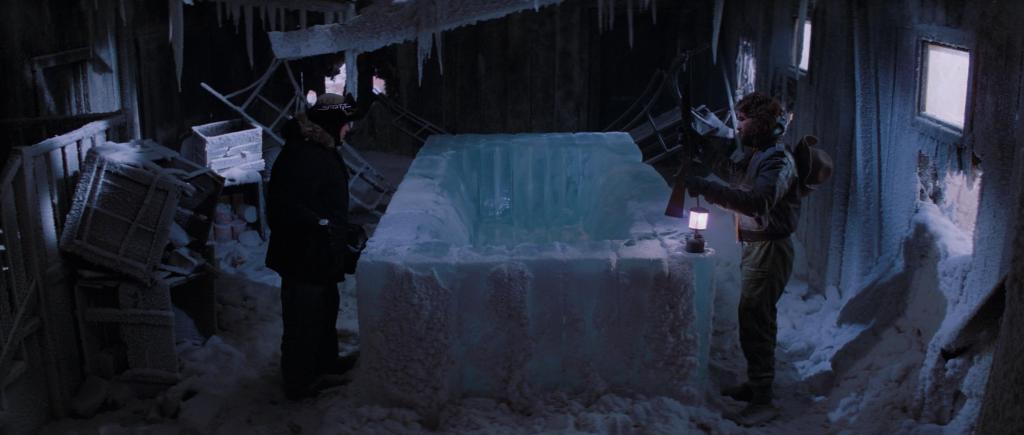
One of the film’s greatest strengths is its atmosphere. From the very beginning, Carpenter creates an overwhelming sense of isolation and dread. The Antarctic setting is both beautiful and claustrophobic, emphasizing the characters’ vulnerability and the impossibility of escape. Dean Cundey’s cinematography captures the cold, sterile interiors and vast, hostile exteriors with striking contrast, while Ennio Morricone’s minimalist, pulsating score amplifies the tension without ever overpowering the visuals.
The practical effects, designed by Rob Bottin, are legendary. Even decades later, the grotesque transformations and creature designs remain some of the most horrifying and creative in cinematic history. The use of practical, in-camera effects gives the monster a physical presence that CGI often fails to replicate, making every encounter more visceral and disturbing.
Beyond the scares, The Thing is also a brilliant exercise in suspense and psychological horror. The central question—who can you trust?—drives the narrative forward and keeps the audience on edge. Kurt Russell anchors the film with a stoic but layered performance as MacReady, a reluctant leader trying to hold things together as the situation spirals out of control.
The Thing is not just a great horror film; it’s a study in paranoia, identity, and survival. With its tight direction, groundbreaking effects, and relentless tension, it remains a high watermark in genre filmmaking and one of the most influential horror films ever made.
 Will's Top Ten Movies Ever Put to Screen